
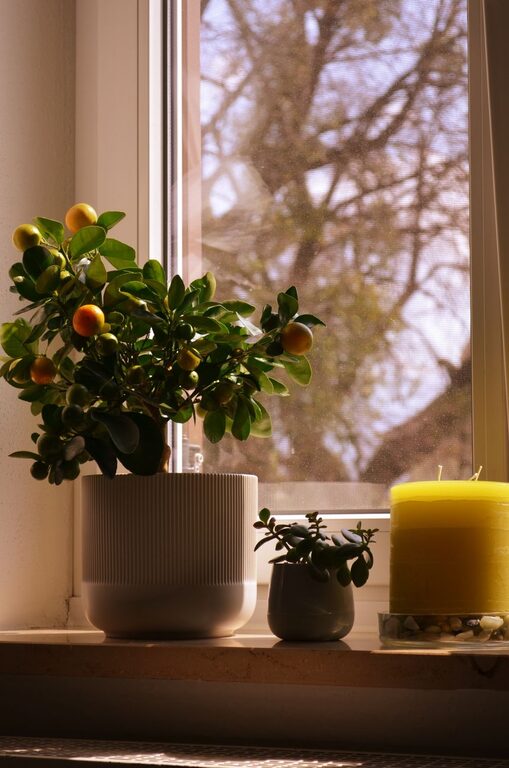
Bringing plants into your home is one of the simplest and most rewarding ways to refresh your living space. Not only do plants add a splash of natural beauty, but they can also improve air quality, boost your mood, and create a calming atmosphere. Whether you have a green thumb or are just starting out, incorporating plants into your home decor can be both fun and fulfilling.
In this guide, we’ll explore how to choose, care for, and display plants to transform your home into a lush, inviting environment.
Why Add Plants to Your Home?
Plants do more than just look pretty. Here are some benefits:
– Improve air quality: Many indoor plants help filter out toxins and release oxygen.
– Boost mood and reduce stress: Being around greenery has been shown to lift spirits and promote relaxation.
– Enhance decor: Plants add color, texture, and life to any room.
– Create a connection to nature: Especially important if you spend a lot of time indoors.
Choosing the Right Plants for Your Space
When selecting plants, it’s important to consider your home’s lighting, your lifestyle, and how much care the plants will need.
Assess Your Lighting Conditions
Different plants thrive in different light settings:
– Bright, direct light: South or west-facing windows
– Indirect, medium light: East-facing windows or spots near bright windows
– Low light: Rooms with little natural sunlight or north-facing windows
Low-Maintenance Plants for Beginners
If you’re new to houseplants, start with easy-care options that thrive in various conditions:
– Snake Plant (Sansevieria): Tolerant of low light and infrequent watering
– Pothos: Grows well in low to bright indirect light and is hardy
– ZZ Plant (Zamioculcas zamiifolia): Survives with little water and low light
– Spider Plant: Adaptable and grows quickly, even in indirect light
Plants for Brighter Spaces
For homes with plenty of sunlight, consider these:
– Succulents: Require bright light and minimal watering
– Fiddle Leaf Fig: Needs bright, indirect light and moderate care
– Aloe Vera: Thrives in bright spots with occasional watering
Creative Ways to Display Plants
How you display your plants can enhance the overall look of your room.
Use Different Heights and Sizes
Vary plant sizes and place them on shelves, tables, or the floor to create visual interest.
– Place tall plants in corners to fill empty space.
– Use small plants on desks or windowsills.
– Group different plants together for a mini indoor garden.
Hanging Planters and Wall-mounted Options
Save floor space and add style by hanging plants:
– Macrame hangers work well for trailing plants like pothos or spider plants.
– Wall-mounted planters can bring greenery to blank walls.
Repurpose Containers for Unique Pots
Use colorful pots, baskets, or even vintage containers to add personality.
– Terracotta pots for a classic look.
– Ceramic pots for a polished appearance.
– Recycled jars or mugs for a quirky touch.
Essential Plant Care Tips
Keeping your plants healthy is key to maintaining a refreshed home environment.
Watering
– Check soil moisture before watering to avoid overwatering.
– Most houseplants prefer soil that dries out slightly between waterings.
– Use room-temperature water for sensitive plants.
Light and Placement
– Rotate plants regularly to promote even growth.
– Adjust placement seasonally as sunlight changes.
Feeding and Pruning
– Use a balanced liquid fertilizer monthly during the growing season.
– Remove dead leaves and trim leggy growth to keep plants neat.
Pest Prevention
– Regularly inspect plants for pests like spider mites or aphids.
– Wipe leaves with a damp cloth and isolate affected plants.
Incorporating Plants into Different Rooms
Each room in your home can benefit from greenery in unique ways.
Living Room
– Large statement plants like fiddle leaf figs create a cozy, vibrant space.
– Small plants on shelves add freshness without clutter.
Kitchen
– Herb plants like basil, thyme, or rosemary add flavor and greenery.
– Succulents on the windowsill brighten the space without needing much care.
Bedroom
– Peace lilies or snake plants can help improve air quality and sleep.
– Keep plants simple to avoid overwhelming the space.
Bathroom
– Choose humidity-loving plants such as ferns or orchids.
– Use hanging planters to save counter space.
Final Thoughts
Refreshing your home with plants is an enjoyable way to improve your living space’s ambiance. Start small with a few easy-care plants and experiment with different arrangements and containers. Over time, you’ll develop a green oasis that reflects your style and brings nature’s soothing presence indoors.
Remember, the most important thing is to enjoy the process and let your plants bring joy and freshness into your home. Happy planting!