
Cleaning up after dinner can often feel like a daunting task, especially after a busy day. However, with a few smart strategies and small changes to your routine, you can make dinner cleanup much more manageable and less time-consuming. In this post, we’ll explore practical tips to help you keep your kitchen tidy and breeze through the post-dinner mess.
Plan Ahead for a Smoother Cleanup
One of the best ways to make dinner cleanup easier is by planning with cleanup in mind.
Use Fewer Dishes
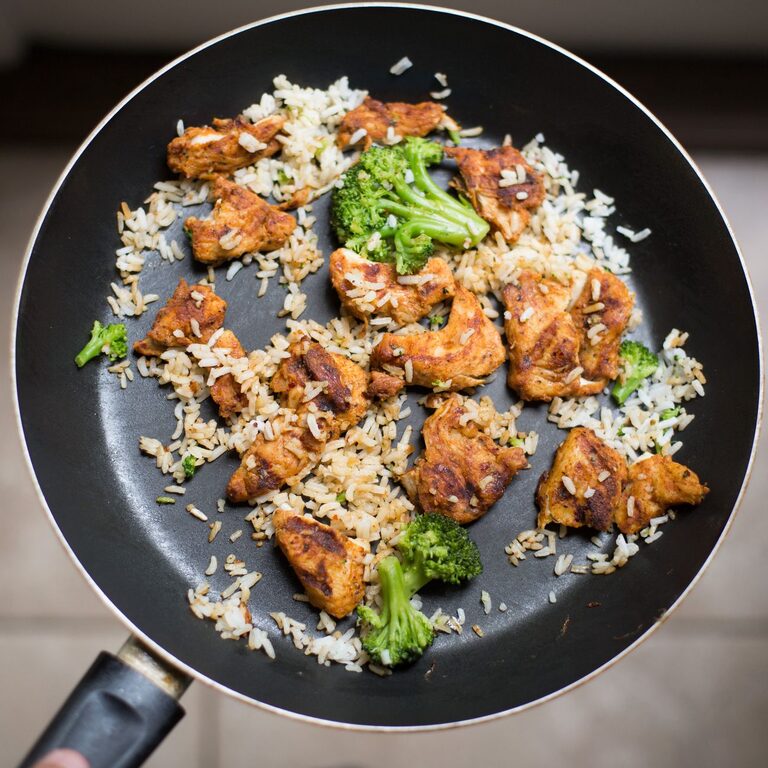
Try to cook meals that require fewer pots and pans. For example, one-pot meals, sheet pan dinners, and slow cooker recipes are excellent options because they consolidate cooking into fewer containers, reducing the number of dishes you need to wash.
Prep Ingredients in Advance
Chopping vegetables or measuring spices ahead of time can help streamline cooking, and it also allows you to clean some utensils or cutting boards during downtime, preventing a pile-up at the end of the meal.
Set up a Cleanup Station
Before you start cooking, prepare a designated cleanup area with soapy water, sponges, and drying racks within easy reach. This setup encourages washing as you go without disrupting your cooking flow.
Clean as You Go
The “clean as you go” approach can save you from facing a mountain of dirty dishes once dinner is over.
– Wash utensils and bowls immediately after use. For example, rinse and scrub the bowl you mixed salad dressing in before moving on to the next step.
– Soak pots and pans right away, especially those with stuck-on food. This makes scrubbing easier later.
– Wipe counters and spills promptly to prevent stains and sticky residue.
– Use a compost bin or trash can nearby to quickly dispose of scraps, keeping your workspace tidy.
Use Time-Saving Tools
Certain kitchen tools and gadgets can make cleanup simpler.
Dishwasher-Friendly Cookware
Choose pots, pans, and utensils that are dishwasher safe whenever possible. Loading these directly into the dishwasher saves time on handwashing.
Silicone or Non-Stick Bakeware
Non-stick surfaces reduce food sticking, making cleaning faster and easier.
Disposable Liners and Foil
Using parchment paper or aluminum foil on baking sheets can minimize scrubbing, as it prevents food from sticking to the pan.
Organize Your Kitchen Space
An organized kitchen supports quick and efficient cleanup after meals.
Keep Cleaning Supplies Handy
Store sponges, dish soap, and towels near the sink so you can quickly access them during and after cooking.
Clear Clutter Regularly
A tidy workspace makes it easier to manage cooking and cleaning. Keep countertops clear of unnecessary items to have ample room for both preparation and cleanup.
Use Drawer Dividers and Storage Containers
Organizing utensils and ingredients helps you find what you need quickly and puts items away efficiently after use.
Engage the Whole Family
Cleanup doesn’t have to be a solo job. Getting family members involved can make the process quicker and teach good habits.
– Assign simple tasks to children, like clearing the table or rinsing dishes.
– Rotate cleanup duties among household members to share the workload.
– Make cleanup fun by playing music or turning it into a friendly race.
Adopt Efficient Dishwashing Techniques
When it comes to washing dishes, following an efficient routine can save time and water.
– Start by rinsing all dishes to remove large food particles.
– Wash glasses and lightly soiled items first, then move on to plates and pots.
– Use hot water to help remove grease and sanitize.
– Change the dishwater if it becomes too dirty to avoid spreading grime.
Utilize Meal Prep and Leftover Strategies
Reducing the number of meals you cook each day can also cut down on dishes.
– Prepare larger portions for dinner and use leftovers for lunch the next day.
– Consider meal prepping several meals ahead of time to minimize daily cooking and cleaning.
– Store leftovers in labeled containers to keep your fridge organized and avoid food waste.
Final Thoughts
Dinner cleanup doesn’t have to be overwhelming. By incorporating some of these ideas into your kitchen routine, such as cleaning as you go, planning meals to minimize dishes, and involving family members, you can make the process faster and less stressful. A little preparation and organization go a long way toward creating a more enjoyable cooking and dining experience.
Happy cooking—and happy cleaning!