
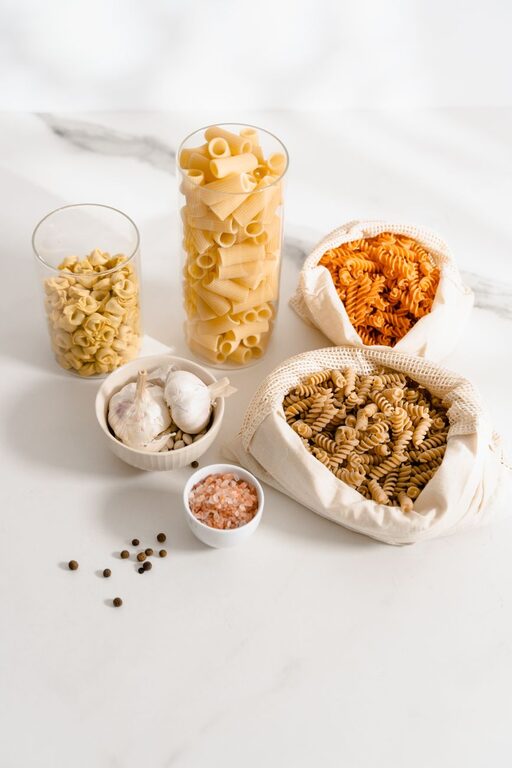
Planning meals from pantry staples is a savvy way to save time, reduce food waste, and keep your kitchen stocked with versatile ingredients. Whether you’re aiming to cut down on grocery trips, manage a tight budget, or whip up quick meals on busy days, learning how to use what you already have can make a big difference. In this guide, we’ll explore practical steps to help you plan meals using common pantry items and turn everyday ingredients into tasty, satisfying dishes.
Why Use Pantry Staples for Meal Planning?
Pantry staples are non-perishable or long-lasting foods that you keep on hand, such as canned goods, dried grains, pasta, spices, and shelf-stable condiments. Using these staples effectively can:
– Reduce trips to the store
– Save money by relying on what you already own
– Help you prepare meals quickly
– Decrease food waste by using ingredients before expiration
By focusing on pantry staples, you can build a flexible meal plan that adapts to your schedule and tastes.
Step 1: Take Inventory of Your Pantry
Before you plan any meals, start with a thorough inventory of your pantry. This helps you know exactly what ingredients you have and prevents buying duplicates.
– Pull everything out so you can see all items clearly
– Check expiration dates and discard anything expired
– Group items into categories like grains, canned veggies, beans, spices, and baking essentials
– Make a list or use a pantry app to keep track
Knowing your staples will inspire recipe ideas and make meal planning faster.
Step 2: Choose Your Core Ingredients
Focus on ingredients that are versatile and nutritious. Common pantry staples that work well for many meals include:
– Grains: rice, quinoa, pasta, couscous, oats
– Canned/dried beans and lentils: black beans, chickpeas, kidney beans, lentils
– Canned vegetables and tomatoes: diced tomatoes, corn, green beans
– Broths and stocks: chicken, vegetable, beef broth (powdered or canned)
– Sauces and condiments: soy sauce, mustard, vinegar, hot sauce, tomato paste
– Spices and herbs: garlic powder, chili powder, cumin, oregano, basil, salt, pepper
– Shelf-stable proteins: canned tuna, sardines, peanut butter, nuts
These staples can be combined in numerous ways to create balanced meals.
Step 3: Plan Simple Meals Around Your Staples
When planning meals, think of building dishes using a few key pantry ingredients along with fresh produce or proteins if available. Here are some easy meal ideas using pantry staples:
Rice and Beans Bowl
– Cook rice and mix with canned black beans or kidney beans
– Add canned corn or diced tomatoes
– Season with cumin, chili powder, salt, and pepper
– Top with whatever fresh or frozen veggies you have on hand
Pasta with Tomato Sauce
– Boil pasta and toss with canned diced tomatoes and tomato paste
– Add garlic powder, dried basil, oregano, salt, and pepper
– Stir in canned tuna or sardines for protein
– Garnish with grated Parmesan or nuts if desired
Lentil Soup
– Simmer dried or canned lentils in vegetable or chicken broth
– Add canned tomatoes and any spare vegetables like carrots or spinach
– Season with garlic, cumin, and bay leaves
– Serve with crusty bread
Chickpea Salad
– Drain canned chickpeas and mix with olive oil, vinegar, salt, and pepper
– Add canned corn or veggies like pickles and onions
– Serve on its own or over greens
Step 4: Use a Flexible Meal Planning Template
To keep meal planning efficient, use a simple template like this:
– Protein source (beans, lentils, canned meat)
– Grain or starch (rice, pasta, potatoes)
– Vegetables (fresh, frozen, or canned)
– Flavor enhancer (herbs, spices, sauces)
For example, you might plan the week like this:
| Day | Protein | Grain/Starch | Vegetables | Flavor Enhancer |
|———-|—————|————–|——————|———————–|
| Monday | Black beans | Rice | Canned corn | Chili powder, lime |
| Tuesday | Canned tuna | Pasta | Canned tomatoes | Garlic, oregano |
| Wednesday| Lentils | Quinoa | Spinach (fresh) | Curry powder |
Adjust based on what you have and your preferences.
Step 5: Stock Up Smartly
Once you get comfortable planning meals from pantry staples, consider these tips to maintain your pantry:
– Keep a good balance of grains, proteins, and sauces
– Rotate your stock so items don’t expire
– Buy in bulk if it saves money, but only items you use regularly
– Include a few freezer-friendly staples like frozen vegetables or bread for variety
Step 6: Get Creative and Experiment
Don’t be afraid to mix and match flavors and ingredients. Many pantry staples lend themselves to different cuisines and styles:
– Use soy sauce and rice for Asian-inspired meals
– Combine beans, corn, and chili powder for Mexican flavors
– Add dried herbs and tomato paste for Italian dishes
– Experimenting can keep meals exciting and prevent boredom.
Tips for Success
– Keep a list of your favorite pantry recipes for quick reference
– Cook larger batches and save leftovers for busy days
– Supplement pantry staples with fresh or frozen foods when possible
– Use online recipe databases by searching ingredients you have
—
Planning meals from pantry staples is a practical way to improve your cooking routine without stress. With a little organization and creativity, you can whip up delicious, nutritious meals anytime using ingredients already in your kitchen. Start with an inventory, choose versatile staples, and build your meal plans around them. Happy cooking!